

Welcome to the andibond.com Technical Knowledge Hub. This encyclopedia is designed for developers working with ESP32 nodes, LilyGo T-Beam hardware, and LoRa mesh networks. Below you will find 50 deep-dive technical insights covering everything from Deep Sleep power optimization and VSWR antenna tuning to Meshtastic protocol configurations. Use this guide to troubleshoot your off-grid communication projects and build more reliable IoT systems.
The Ultimate ESP32 & LoRa Encyclopedia
Is ESP32 5V tolerant?
No. Standard ESP32 pins support 3.3V. Using 5V without a level shifter will damage the GPIO.
How to fix Brownout errors?
Connect a 470uF-1000uF capacitor between 3.3V and GND to handle Wi-Fi current spikes.
What is the Deep Sleep current?
In ideal conditions (minimum peripherals), ESP32 can go as low as 10µA.
Why does my regulator get hot?
You might be pulling too much current from the 3.3V pin for external sensors or motors.
Can I use a solar panel?
Yes, but you need a charge controller like TP4056 to protect the Li-ion battery from overvoltage.
What is the EN pin for?
EN (Enable) is the hardware reset. Pulling it to GND restarts the device.
Difference between ESP32 and ESP32-S3?
S3 has more GPIOs, native USB, and AI acceleration instructions.
Best battery for LoRa?
A high-quality 18650 Li-ion battery (3.7V) is the standard for long-term field nodes.
How to measure battery level?
Use an analog read on the VBAT pin (internal divider) to monitor voltage drops.
Does ESP32 have a real-time clock?
It has an internal RTC, but it drifts. Use an external DS3231 for precise time-keeping.
Why can’t I power on without antenna?
The energy reflects back and fries the Power Amplifier (PA). Always attach the antenna first.
Standard range in cities?
Typically 500m to 1.5km depending on buildings and interference.
What is SF (Spreading Factor)?
SF7 is fast (short range), SF12 is very slow but penetrates deep (long range).
Best frequency for UK/EU?
868 MHz is the legal ISM band for LoRa in these regions.
What is VSWR?
Voltage Standing Wave Ratio. Lower is better (1.1-1.5). High VSWR means energy is wasted.
Difference between SX1276 and SX1262?
SX1262 is newer, more power-efficient, and has better receive sensitivity.
Can LoRa transmit video?
No. The bandwidth is too low. It’s strictly for text, telemetry, and small data packets.
Does rain affect signal?
Yes, water absorbs 868/915MHz signals, slightly reducing range during heavy storms.
What is the Fresnel Zone?
The elliptical area around the signal path that must stay clear of obstacles for max range.
Can I use Wi-Fi antennas for LoRa?
No. 2.4GHz antennas are tuned differently and will result in poor performance/damage.
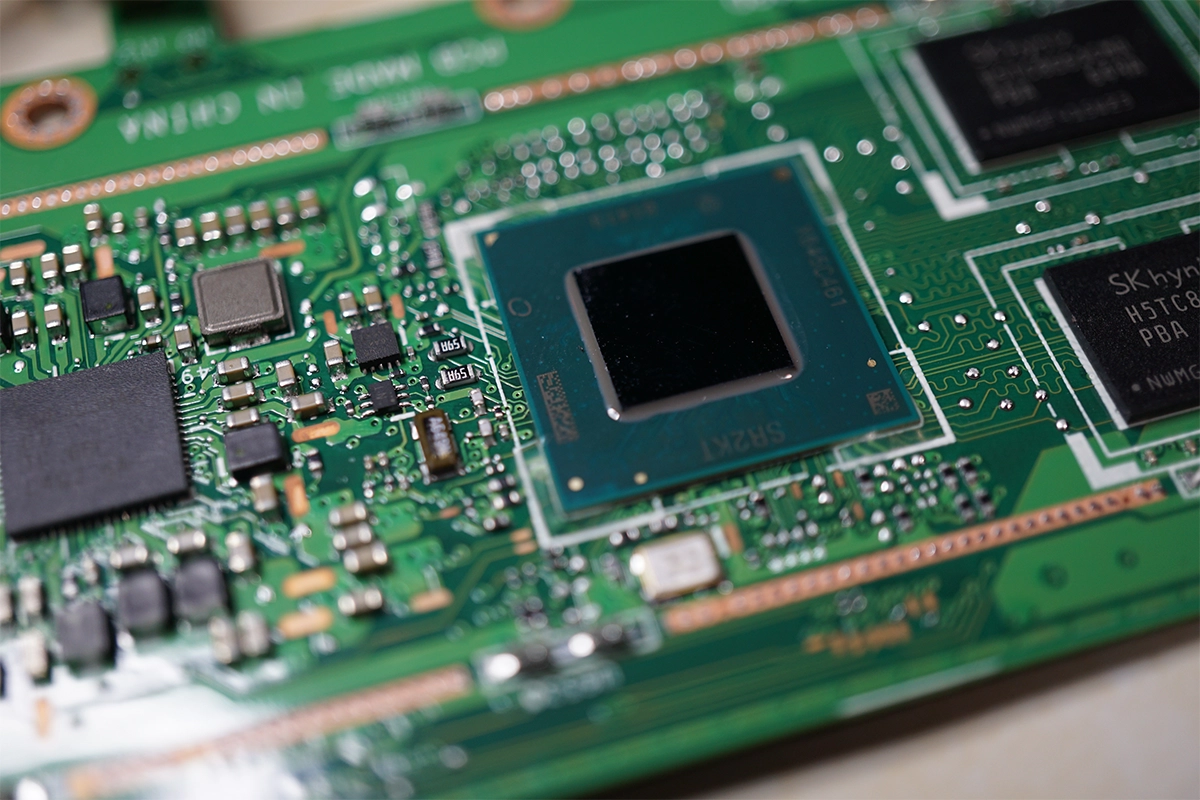
Failed to connect to ESP32?
Hold the BOOT button while the flashing starts in your IDE or Flasher tool.
Arduino IDE vs PlatformIO?
PlatformIO (VS Code) is recommended for complex projects due to library management.
What is SPIFFS/LittleFS?
Internal file systems for storing HTML, JSON, or config files inside the ESP32.
How to update firmware OTA?
Over-the-Air updates allow flashing via Wi-Fi. Perfect for remote solar nodes.
Why use a logic level shifter?
To safely connect 5V sensors (like some GPS) to the 3.3V ESP32 pins.
Default Serial baud rate?
Standard is 115200. Using lower rates may cause issues with boot messages.
What is MicroPython?
A version of Python 3 for microcontrollers. Great for rapid prototyping.
ESP32 watchdog timer?
A safety feature that resets the chip if the software hangs for too long.
How to clear Flash memory?
Use ‘esptool erase_flash’ to wipe all settings and potential corrupted data.
OTA security?
Always use a password for OTA updates to prevent unauthorized firmware hijacking.
Why is GPS not locking?
GPS needs line-of-sight to at least 4 satellites. Buildings block signals effectively.
T-Beam vs T-Echo?
T-Beam is power-hungry but feature-rich; T-Echo uses E-ink and is ultra-low power.
What is the ‘Long-Fast’ preset?
The most common Meshtastic setting for a balance of range and message speed.
Can I connect to a phone via BLE?
Yes, Meshtastic uses Bluetooth Low Energy to bridge the node to your smartphone app.
What is an MQTT Bridge?
It allows your local radio mesh to talk to other meshes over the internet.
Role: Router vs Client?
Routers stay awake to relay; Clients sleep more to save battery.
How to fix OLED burn-in?
Set a short display timeout (e.g., 30 seconds) in the device settings.
Antenna for Meshtastic?
A tuned 1/2 wave dipole or a ‘Nagoya’ style whip antenna is highly recommended.
Can I use AES-256?
Yes, Meshtastic supports hardware-accelerated AES-256 for private channel encryption.
How to power a remote node?
6W-10W solar panel + 2x 18650 batteries + waterproof case (IP67).
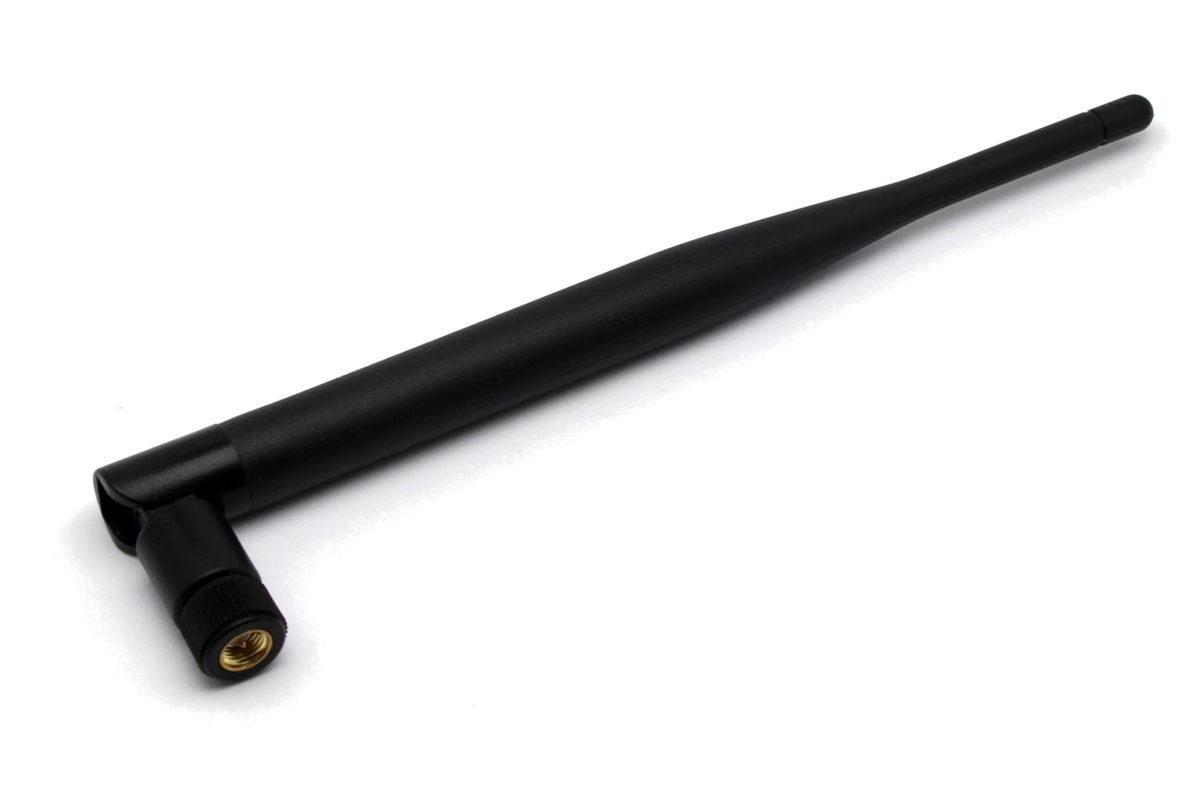
Why does Wi-Fi kill ADC2?
Internal hardware sharing. If Wi-Fi is on, pins on ADC2 cannot read analog sensors.
How many I2C buses?
ESP32 has two hardware I2C buses, allowing you to separate slow and fast sensors.
I2C pull-up resistors?
Most sensors need 4.7k or 10k resistors on SDA/SCL lines to function properly.
Connecting a BME280?
Use I2C. It’s the standard sensor for temperature, humidity, and pressure.
Max length for I2C wires?
Keep them under 30-50cm. For longer distances, use a bus extender or lower speeds.
Is GPIO 0 special?
Yes. It determines the boot mode. If held LOW during power-up, it enters Flashing mode.
What is PSRAM?
Extra RAM (up to 8MB) used for high-resolution cameras or web buffers.
How to use the touch pins?
ESP32 has capacitive touch sensors on specific GPIOs; no physical buttons needed!
Hall Effect sensor?
ESP32 has a built-in sensor that can detect magnetic fields nearby.
Where to find the pinout map?
Always check the official LilyGo GitHub repository for your specific board version.