Projects
Engineering Projects and Robotics Portfolio
Welcome to the technical archive of AndiBond Lab. This section features my most advanced engineering projects and robotics systems, blending circuit design, low-level programming, and industrial aesthetics.
- Engineering Articles (10)
- Engineering Projects (2)
- Pinouts (30)
- Car audio (5)
- Carav (4)
- Microcontrollers & Dev Boards (13)
- Espressif (13)
- Car audio (5)
- Reviews (109)
- Bundles & Kits (31)
- Components (60)
- Lab Tools (57)
- Smart home (52)
- Инженерные проекты (2)
- Технические статьи (5)
Main Content
Exploring High-End Engineering Projects and Robotics
I focus on making engineering projects and robotics as transparent and accessible as possible. Each entry includes comprehensive schematics, detailed bills of materials (BOM), and open-source code.
Key research areas include:
Tools & Hardware
Professional Tools for Complex Engineering Projects
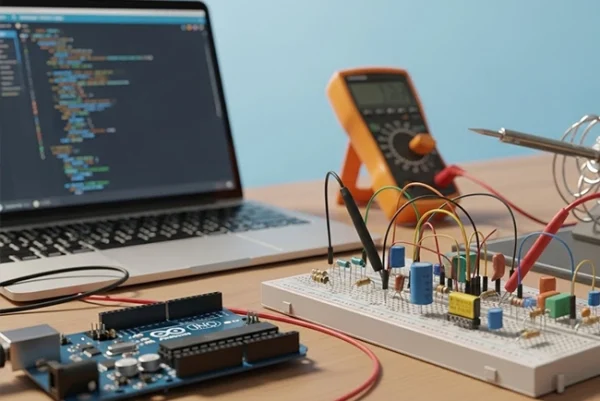
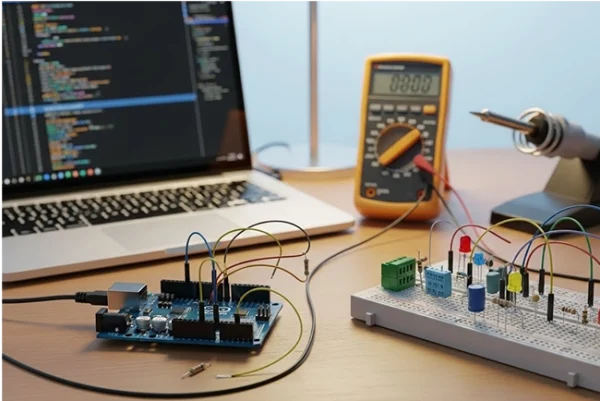
To execute sophisticated engineering projects and robotics, I utilize professional-grade equipment and high-quality components. Most sensors and microcontrollers are sourced via Amazon, ensuring that my builds can be reliably replicated by other engineers and makers worldwide.
If you have technical questions regarding a specific build, feel free to contact me.
Technical Stack
Technology Stack in Engineering Projects and Robotics
To ensure high performance and reliability in our engineering projects and robotics, we utilize a diverse set of professional tools and programming languages.
Workflow
The Lifecycle of Our Engineering Projects and Robotics
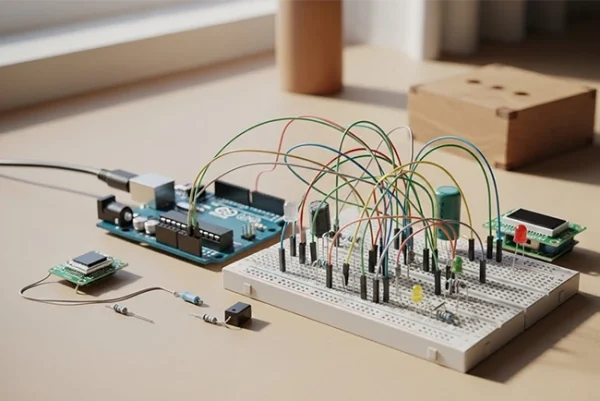
The development process for every device is divided into several rigorous stages. It begins with schematic design, followed by rapid prototyping on breadboards. All engineering projects and robotics featured here undergo thorough code optimization and stress testing. I pay special attention to memory management and processing efficiency, especially when developing graphics-intensive engineering projects on the ESP32 platform.
What Each Project Documentation Includes
Every entry in our engineering projects and robotics portfolio is more than just a summary. We aim to provide a complete «developer’s package» so you can replicate or modify our work:
FAQ Section
Where can I find the source code for these engineering projects?
All source code and libraries are available within the individual project articles or on my official GitHub repository.

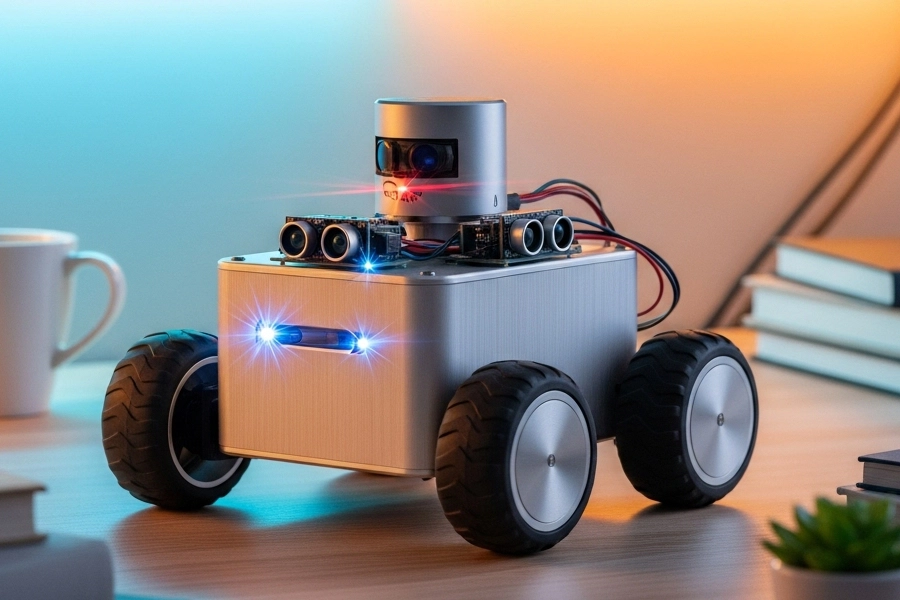
How should I start exploring engineering projects and robotics?
I recommend starting with the «Technical Articles» section, where I deconstruct the fundamentals of working with ESP32 and advanced electronics.
Do I need expensive equipment to start these engineering projects?
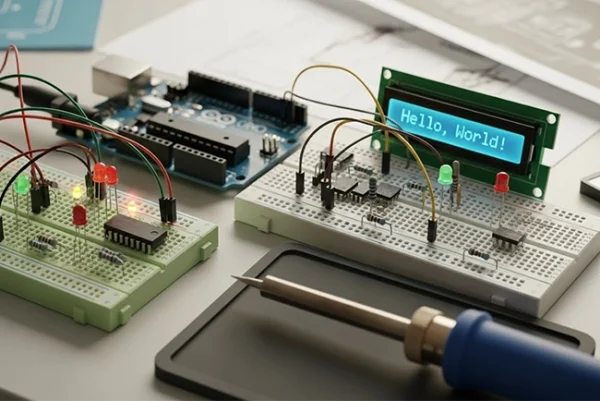
No, most of our engineering projects and robotics are designed with a «maker-first» approach. A basic soldering iron, a digital multimeter, and a steady breadboard are usually enough to begin experimenting with our prototypes.
Can I use your robotics code for commercial purposes?
Our engineering projects and robotics code is typically released under the MIT or Creative Commons licenses. This means you are free to learn from it and adapt it for your own research, provided you credit AndiBond Lab as the original source.